
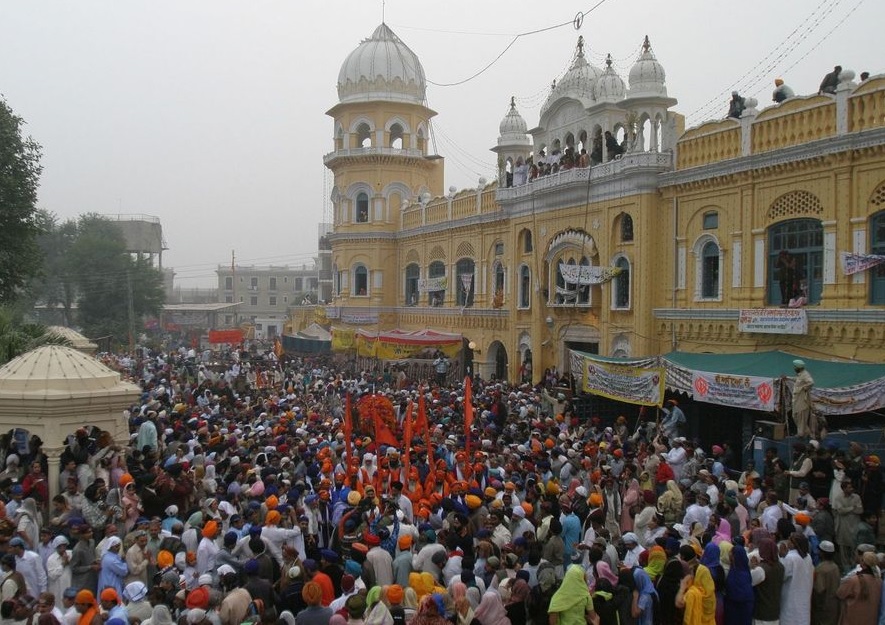
In a stark reminder of the underlying friction surrounding religious minorities in Pakistan, a jatha (group) of Sikh pilgrims from Pakistan—seeking to travel to India for religious pilgrimages including the Sri Hemkund Sahib Yatra and Parkash Purab celebrations—was recently halted from completing their sacred journey. Having been granted valid visas by the Indian government to visit historic shrines across Delhi, Punjab, and Uttarakhand, the group of over 100 devotees faced sudden bureaucratic barriers raised by Pakistani immigration authorities.
Financial Sacrifices Undone by Arbitrary Demands
The group of 104 devotees, armed with valid visas issued by the Indian government, had sought to perform pilgrimage across sacred sites, including Sri Harmandir Sahib and Sri Hemkund Sahib. Blocked from crossing via the direct land route at the Wagah border due to ongoing geopolitical restrictions, these pilgrims went to extraordinary lengths to fulfill their spiritual obligations. Sacrificing personal savings and collectively expending nearly PKR 2 crore, they arranged alternative air travel via Sharjah to reach New Delhi. Yet, their devotion was met not with facilitation, but with sudden bureaucratic hostility. At the airport, immigration officials abruptly halted their departure, citing the absence of a No Objection Certificate (NOC)—a requirement that had neither been communicated beforehand nor routinely enforced.
PR Facade vs. Institutional Hostility
It is the latest chapter in Pakistan’s long-standing, systemic persecution of its non-Muslim citizens. While Islamabad routinely deploys PR campaigns surrounding Sikh pilgrimages to project a facade of religious harmony, the reality on the ground reveals a calculating state machinery designed to intimidate, marginalize, and strip minorities of their basic human dignity.
A Pattern of Administrative Obstruction
This incident is not an isolated administrative error; rather, it reflects a broader pattern of institutional indifference and systemic restriction faced by religious minorities in Pakistan. While the Pakistani establishment frequently uses cross-border Sikh pilgrimages as a tool for public relations, the reality on the ground paints a far more troubling picture. When minority citizens attempt to exercise their basic right to freedom of worship by visiting sacred sites abroad, they encounter last-minute regulatory traps, arbitrary NOC demands, and financial hardship.
Erosion of Identity and Fundamental Rights
For the Sikh minority in Pakistan—whose population has dwindled drastically over recent decades due to targeted conversions, security threats, and social marginalization—the denial of permission to undertake sacred pilgrimages strikes at the heart of their faith and identity. A religious visa issued by a host nation should facilitate spiritual fulfillment, not trigger bureaucratic retaliation from domestic authorities.
A Call for International Scrutiny
The plight of these stranded pilgrims highlights the urgent need for international human rights organizations and religious freedom monitors to scrutinize Pakistan’s treatment of its minority populations. Spiritual devotion must never be held hostage to bureaucratic leverage or political maneuvering. True religious freedom requires that minorities be granted the dignity, protection, and freedom of movement necessary to practice their faith without fear or obstruction.