
Muktsar Farmer Balwinder Singh Shows How to Earn Lakhs Without Debt Through Horticulture
Punchline:
A simple roadside idea turned into a powerful farming model, where the farmer decides the price, not the market.
Muktsar Sahib, Punjab: At a time when many farmers in Punjab are struggling with rising costs, falling returns, and depleting groundwater, one farmer from Sukhna Ablu village has quietly carved out a different path.
Balwinder Singh is not just farming, he is running a system that works on his own terms. Without taking any loan, he has built a diversified, profitable model based on horticulture, value addition, and direct selling.
Punjab’s agriculture continues to rely heavily on wheat and paddy, covering nearly 75–80% of the cultivated land. According to the Central Ground Water Board, more than 75% of the state’s groundwater blocks are over-exploited, largely due to water-intensive crops like paddy.
But instead of following the same cycle, Balwinder Singh chose to step out of it.
The Idea That Changed Everything
Back in 2011, he noticed something simple, his farmland was located right along a main road.
“That’s when it struck me,” he recalls. “Why should I depend on the mandi, when customers can come directly to me?”
With this thought, he began experimenting. He started with just 2 acres of chilli cultivation. There was uncertainty, and not many around him were doing it, but he stayed with it.
That small step changed everything.
Horticulture at the Heart of His Farm
Over the years, horticulture became the backbone of his success.
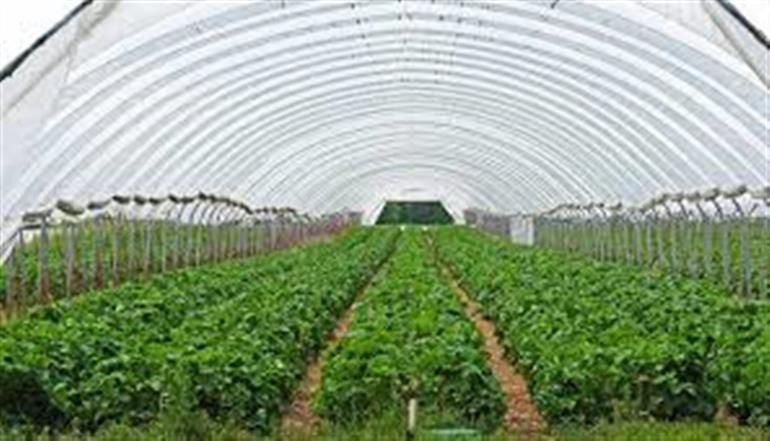
Today, nearly 8 acres of his land are dedicated to fruits like peach, plum, pear, orange, sweet lime, guava, dragon fruit, and strawberry. These crops not only fetch better prices but also bring income at different times of the year.
“For me, it’s not about one crop anymore,” he says. “It’s about having income throughout the year.”
From Crop to Product: Increasing Value
Balwinder Singh didn’t stop at growing crops, he started processing them.
He now produces chilli and turmeric powder on his own and sells them directly to customers. This shift from raw produce to finished product has significantly increased his earnings.
From some crops, he is earning close to ₹2 lakh per acre, something that traditional farming rarely offers.
Bringing Back What Was Lost
In his search for better options, he also turned to traditional wisdom.
During a visit to Maharashtra, he came across Sona Moti wheat and was impressed by its quality. He brought the seeds back and began cultivating it organically on 6–7 acres.
Instead of selling it in the mandi, he sells it directly to customers over time. It may not sell in one go, but it sells at a better price, and on his own terms.
Low Cost, Better Quality
He keeps his farming simple and practical.
Using organic fertilizers, vermicomposting, and natural sprays, he has managed to reduce his costs while maintaining soil health. At the same time, techniques like drip irrigation and mulching help him save water.
The result is better quality produce, and customers who trust what they are buying.
No Middleman, No Compromise
The biggest shift in his journey has been direct selling.
Under his brand Sandhu Farm House, he sells everything from his own farm. His roadside location, once just a coincidence, has now become his biggest strength.
People from nearby areas, even from cities like Chandigarh, regularly visit his farm.
“The truth is simple,” he says. “The farmer was never earning less because of farming. He was earning less because he wasn’t controlling the sale.”
A Different Way Forward
Balwinder Singh’s model is not complicated, but it is different.
He has reduced risk by growing multiple crops, increased income through value addition, and taken control by selling directly.
And he has done all of this without taking any debt.
More Than a Success Story
His journey is not just about one farmer doing well. It is about what is possible.
At a time when Punjab is searching for answers in agriculture, his story offers one, quietly, practically, and convincingly.
Because sometimes, change does not come from big policies.
It begins with one farmer deciding to do things differently.
Author name: Arpan Kaur (Journalist)