
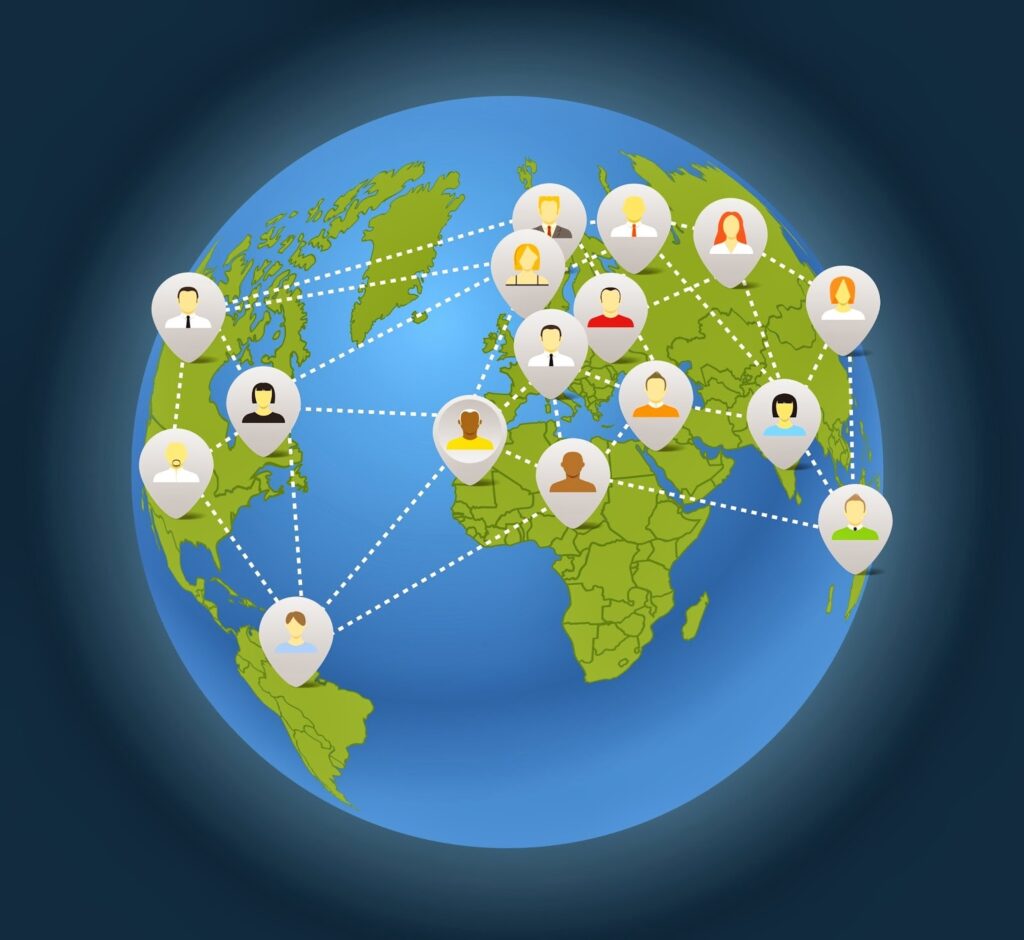
In the heart of northern India lies Punjab, a region whose fertile fields have long fed the nation and whose people have carried India’s story across oceans. Once known primarily as the “breadbasket of India, ” Punjab and its vibrant Sikh community are today playing an increasingly visible role on the world stage. As global trade patterns shift and countries seek stronger partnerships with India, the contributions of Punjabi enterprise, Sikh cultural influence and diaspora networks are drawing fresh attention.
Punjab’s strategic and economic importance to India is immense. The state plays a vital role in national food security, producing a significant share of India’s wheat and rice. The Green Revolution, which began in Punjab, transformed the country from a food-deficit nation to one with grain surpluses. Even today, Punjab’s farms support nationwide food distribution and exports. While agriculture contributes around 23-25% of the state’s GDP, Punjab has diversified into industry and services, with its overall GDP estimated at approximately US$110 billion.
Its location along the border with Pakistan adds strategic depth. Stability and progress in Punjab directly support India’s foreign policy goals of regional peace, connectivity and economic integration in South Asia. Punjab thus remains a key pillar in India’s external engagements. The Sikh community, rooted in Punjab, greatly amplifies this global reach. Their faith emphasizes equality, service and resilience. Significant diaspora populations thrive in Canada, the United Kingdom, the United States, Australia and other countries. These communities have excelled as professionals, entrepreneurs and active citizens while preserving their heritage.
Diaspora: A Strong Bridge for Growth
India leads the world in remittances, receiving over US$125 billion annually.
Punjab ranks among the top recipient states. Funds from Punjabi and Sikh families abroad have boosted rural economies- building modern homes, schools, hospitals and small businesses. Diaspora philanthropy is visible across Punjab’s villages.
Canada, home to one of the largest Sikh populations outside India, offers a strong example. The Indo-Canadian community exceeds 1.8 million. Bilateral trade between India and Canada stood at around US$13.6 billion in recent years, with scope for much more. Canada supplies pulses, minerals and energy; India exports pharmaceuticals, machinery and jewellery. Negotiations for a Comprehensive Economic Partnership Agreement (CEPA) aim to deepen these ties significantly.
Indian students, including many from Punjab, contribute billions to Canada’s education sector. Cultural exchanges, business links and shared democratic values strengthen people-to-people relations. Sikh Canadians have succeeded in politics, business and public service, adding to mutual goodwill. Similar success stories exist in the UK, US and Australia, where Punjabi entrepreneurs lead in transport, hospitality, real estate and technology. These connections go far beyond remittances. They enable technology transfer, skill development and direct investments. Punjab’s government runs dedicated NRI departments and portals to attract expertise and capital into infrastructure, education, and agriculture. Many Sikhs abroad support gurudwaras, health facilities and rural projects in India, reflecting the Sikh value of selfless service.
Global Dynamics and New Opportunities
In a world of shifting alliances and economic uncertainties, India’s emergence as a major economy makes it an attractive partner. Nations like Canada are diversifying ties eastward. India provides a huge market, skilled workforce and strategic presence in the Indo-Pacific. Punjab fits naturally into this partnership through its strengths in agriculture, food processing, renewable energy and education.
The Sikh community’s global presence adds valuable soft power. Sikh principles of equality and community service resonate worldwide. Gurudwaras often serve as centres for interfaith dialogue and humanitarian work. Sikh organizations participate in business forums and cultural events that showcase India’s diversity. Recent years have seen growing international interest in Punjab and Sikh matters. Community issues of identity and rights appear in global discussions. At the same time, strong economic interests- trade, investment and mobility drive practical cooperation that benefits everyone by creating jobs in India and expanding opportunities abroad. For Indian readers, this evolution brings pride and optimism. Despite challenges such as water management and the need for crop diversification, Punjab is innovating. Youth-led agro-tech startups and skill programmes are drawing on diaspora knowledge. India’s foreign policy increasingly involves states like Punjab in economic diplomacy through investment summits and closer NRI engagement.
Pathways Ahead for Mutual Prosperity
The future lies in deeper collaboration. Better air links, digital connectivity, joint ventures in sustainable farming, clean energy and healthcare hold great promise. Educational ties allow Punjabi students to gain world-class skills and build lasting networks. Cultural festivals, sports exchanges and tourism bring people closer.
India’s inclusive approach respects all communities. The Sikh community’s achievements at home and abroad show how diversity becomes a national strength. By focusing on development, entrepreneurship and exchange, Punjab and Sikhs are helping shape a confident and globally engaged India.
Challenges remain, including ensuring the safety and dignity of Indians abroad. These are best addressed through continued dialogue. Yet the bigger picture is one of resilience and opportunity. Remittances, investments and ideas flowing back to Punjab create living links that enrich India and its partner countries.
In an interconnected world seeking reliable partnerships; Punjab’s fields, its hardworking people, and the Sikh ethos of enterprise and compassion provide enduring advantages. As India moves towards the vision of Viksit Bharat, the global Punjabi and Sikh network serves as a trusted bridge-from villages in remote areas to cities like Toronto, Vancouver and London-fostering shared prosperity and understanding.
In today’s global landscape, the Sikh community from Punjab is not merely part of India’s story. It is actively helping write its next global chapter through culture, enterprise and strong bonds. The path forward promises greater collaboration built on mutual respect and common growth.